Selling a Home After a Hurricane: What to Do First
A storm can turn a planned sale into a series of urgent decisions: secure the property, call the insurer, find qualified contractors, and figure out whether the home can still go on the market. If you are selling a home after a hurricane, the right next step depends on the property’s condition, your insurance claim, and how quickly you need to move.
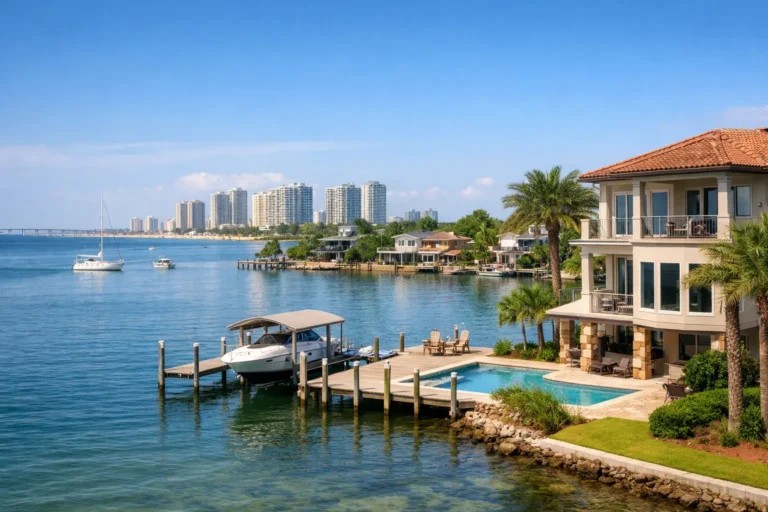
For homeowners in Bay County and along the Florida Panhandle, buyers are familiar with storms. They are not automatically scared away by a property that has been affected. What creates hesitation is missing documentation, unclear repairs, unrealistic pricing, or disclosures that raise more questions than they answer. A well-managed sale gives buyers a clear picture of the home and confidence in the transaction.
Selling a Home After a Hurricane Starts With Stabilizing It
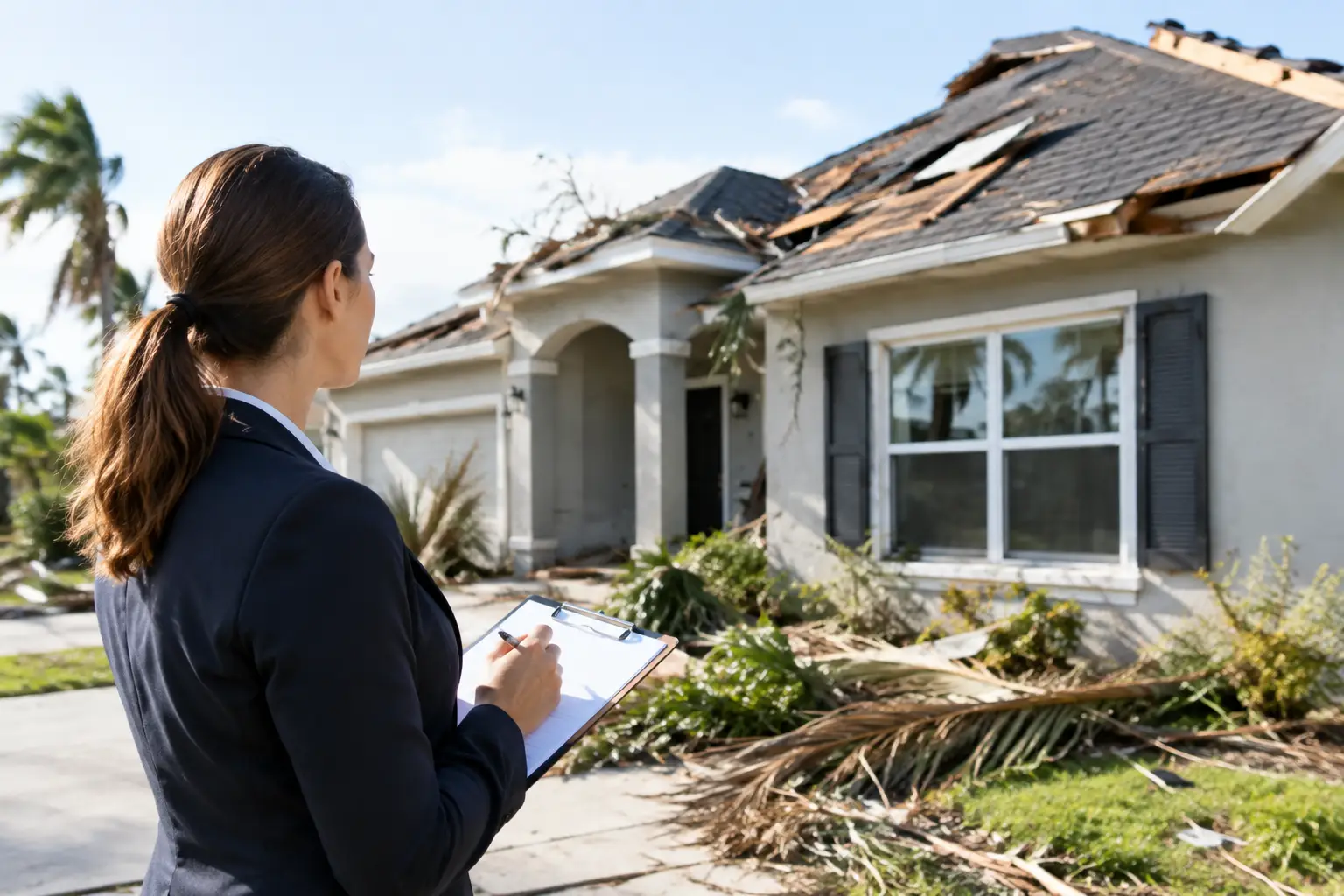
Before considering showings, prevent additional damage and make the property safe. Cover roof openings, secure broken windows and doors, remove wet materials that could support mold growth, and keep records of every emergency measure. If utilities have been affected, use licensed professionals to assess electrical, gas, plumbing, and HVAC systems before restoring service.
Take extensive photos and videos before cleanup begins. Capture exterior elevations, roofing, ceilings, flooring, cabinets, mechanical equipment, fences, docks, sheds, and landscaping. Save receipts for tarping, water extraction, debris removal, inspections, and temporary repairs. This documentation supports an insurance claim, but it also becomes valuable when a buyer asks what happened and how it was addressed.
Do not discard damaged materials or begin major repairs until your insurer has provided direction, unless immediate action is needed to prevent further loss. Wind, water intrusion, and flood damage may fall under different policies or deductibles. The scope of coverage can affect your timeline, repair budget, and decision to sell before or after restoration.
Decide Which Sale Path Fits Your Situation
There is no single right answer after a hurricane. Some sellers should complete repairs and list a move-in-ready home. Others may be better served selling in its current condition, particularly if they are facing a job transfer, a PCS deadline, an inherited property, or a repair project beyond their desired budget.
Repair Before Listing
Completing quality repairs can expand the buyer pool. Most owner-occupant buyers want to finance their purchase, and their lender, appraiser, insurer, and home inspector may all have concerns about unrepaired roof damage, active leaks, missing drywall, exposed wiring, or visible mold. A repaired home can also photograph better, show better, and compete more directly with undamaged listings.
That said, repairs should be strategic. Replacing damaged materials with appropriate, durable finishes is different from adding expensive upgrades that may not be supported by neighborhood values. A local pricing review can help determine where repair dollars are likely to matter and where they may not be recovered in the sale price.
Sell As-Is
Selling as-is does not mean hiding the condition of the home or avoiding repairs that are necessary for safety. It means the seller is offering the property in its present state and may not agree to make additional repairs after inspection. This route can work for cash buyers, investors, renovators, or buyers who want to select their own finishes.
The trade-off is straightforward: an as-is property usually attracts fewer buyers and may sell for less than a fully repaired comparable home. Buyers will price in construction costs, uncertainty, permit concerns, insurance availability, and their own time. Clear information can narrow that discount. Vague information usually makes it larger.
Pricing a Home After Hurricane Damage
A hurricane claim does not automatically determine market value. Buyers look at the home’s current condition, location, lot, construction, age of major systems, quality of repairs, and the supply of similar homes for sale. In coastal and storm-prone areas, they also pay close attention to wind mitigation features, roof age, flood-zone status, elevation, and insurability.
A sound pricing strategy separates the property from the emotion of the event. Start with recent comparable sales, then compare active listings that buyers can choose instead. Next, account for the actual condition: Was the roof replaced? Were repairs performed by licensed contractors? Are permits finalized where required? Is there transferable warranty information? Has the home passed post-repair inspections?
If the home is being sold before repairs are complete, avoid pricing it as though the work has already been done. At the same time, do not assume every storm-affected home must be deeply discounted. A desirable location, a solid structure, a documented scope of work, and a clear plan can still support strong interest.
Disclose Clearly and Keep the Paper Trail Organized
Florida sellers should provide accurate information about known facts that could materially affect the property’s value and are not readily observable to a buyer. Storm damage, water intrusion, insurance claims, repairs, mold remediation, roof work, and open permit issues can all require careful discussion. When in doubt, disclose facts rather than making assumptions about what a buyer might discover.
Keep a simple property file with the pre-storm photos, damage photos, insurance correspondence, contractor estimates, invoices, permits, inspection reports, warranties, and final repair receipts. Buyers do not need a stack of unexplained paperwork. They need an organized record that answers practical questions.
Be precise about what you know. If a contractor replaced damaged drywall and insulation in one room, say that. Do not describe the entire home as fully renovated unless that is accurate. If an insurance claim remains open, explain the status and consult the appropriate professionals about how proceeds, recoverable depreciation, or assignments will be handled at closing.
Prepare the Property for Buyers, Not Just for Photos
Once the home is safe and the sale plan is clear, prepare it for the kind of buyer you want to attract. A repaired home should be clean, dry, well-lit, and free of construction debris. If work is still underway, the listing should reflect that honestly and show the home at its best possible stage without concealing unfinished areas.
Professional marketing should address the property’s strengths while setting clear expectations. For example, a home near Tyndall Air Force Base may appeal to military households focused on commute and move-in timing. A Panama City Beach condo may require buyers to review association requirements, reserves, building repairs, and insurance costs in addition to the unit itself. Each property type calls for a different conversation.
Showing access matters after a storm as well. Keep repair schedules, contractor visits, and utility limitations coordinated so buyers can tour safely. If repairs are not complete, providing estimates and scopes of work can help serious buyers understand the opportunity without guessing.
Plan for Inspections, Financing, and Closing Delays
Storm-related sales often need more coordination than a typical transaction. Buyers may request roof, mold, structural, electrical, seawall, dock, or drainage inspections depending on the property. Their lender may require repairs before closing, and their insurance carrier may ask for a four-point inspection, wind mitigation report, roof documentation, or additional underwriting information.
This does not mean a financed sale is impossible. It means the listing strategy and contract terms should anticipate these steps. Sellers should avoid promising a closing date that ignores permit timelines, insurance claim milestones, or contractor availability. A buyer with flexible timing and strong financing can be more valuable than a higher offer with unrealistic deadlines.
For military families working around PCS orders, timing is especially important. If you need to relocate before the home closes, establish who will manage repairs, inspections, appraisal access, final walkthrough details, and signing logistics. A local real estate team can keep the moving pieces organized when you are no longer nearby.
A hurricane may change the path to selling, but it does not have to take away your options. Start with honest documentation, choose the repair level that fits your timeline and finances, and build a sale plan around the home’s real condition. Clear communication gives the next buyer a reason to move forward with confidence.