
How to Buy a House Remotely Without Guesswork
A remote purchase can move quickly from exciting to unsettling when a listing looks perfect on a screen but you have not stood in the kitchen, driven the route to work, or watched the neighborhood at rush hour. Knowing how to buy a house remotely means replacing assumptions with a clear process, dependable local people, and documented answers before you commit.
For military families receiving PCS orders, buyers moving for work, and second-home purchasers planning a Northwest Florida move, buying from another state is often the practical choice. You do not need to fly in for every decision. You do need a plan that gives you the same level of protection and local context as an in-person buyer.
Start With the Non-Negotiables, Not the Listing Photos
Remote buyers can lose time by searching too broadly. Before touring homes, define what must be true on closing day: your budget, financing type, preferred move date, commute limits, bedroom and bathroom needs, and any property features that cannot be changed later.
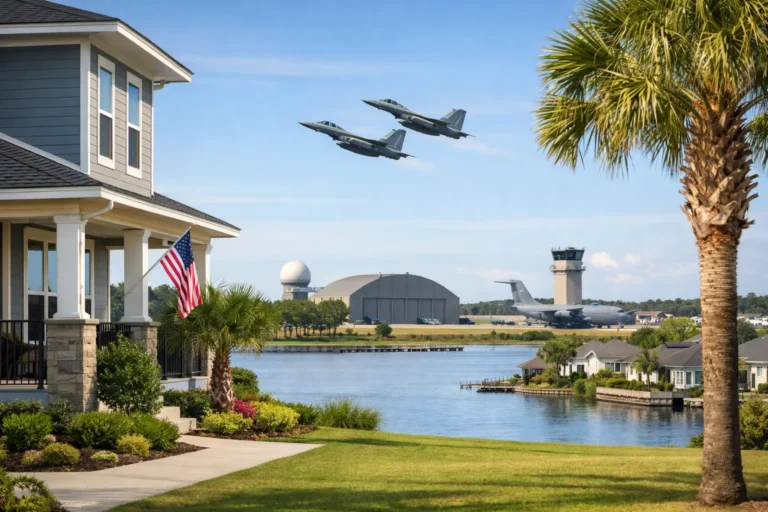
For example, a buyer stationed at Tyndall Air Force Base may prioritize the drive time from Callaway, Parker, or Panama City over a larger yard farther away. A beach buyer may care more about flood exposure, rental restrictions, elevation, parking, and building condition than the finishes inside a condominium. Those are different searches, and a good remote strategy recognizes that early.
Separate your list into three categories: must-haves, strong preferences, and nice extras. This keeps a beautiful virtual tour from distracting you from a home that does not work for your actual life.
Get financing lined up before you fall in love
A preapproval is especially useful when buying remotely because it establishes your realistic price range and helps you act when the right home appears. Ask your lender to explain your expected cash to close, monthly payment, interest-rate options, appraisal process, and any conditions that could affect final approval.
Military and veteran buyers should also discuss VA loan eligibility, entitlement, occupancy requirements, and the timeline for a VA appraisal. A VA loan can be a strong financing option, but it is not a shortcut around due diligence. The home still needs to satisfy the lender, appraiser, and your own standards.
Choose a Local Agent Who Will Show You the Unfiltered Details
The biggest risk in a remote purchase is not distance itself. It is relying on incomplete information. Your agent should be willing to answer practical questions directly, point out concerns during a showing, and describe what the camera may not capture.
Ask how virtual showings are handled. A useful live tour is not a polished video walkthrough with flattering angles. It is a real-time conversation where you can ask to see the street, closets, views from each window, appliance labels, ceiling corners, electrical panel, backyard boundaries, and nearby homes.
A local agent can also provide the context that listing data cannot. In the Florida Panhandle, that may include whether a road is a common hurricane evacuation route, whether a waterfront view is likely to change, how beach traffic affects a seasonal commute, or whether a condo building has restrictions that conflict with your plans.
When possible, ask for a second viewing after you have had time to review the first. The questions you think of the next morning are often the ones that matter most.
How to Buy a House Remotely With Better Virtual Tours
Virtual tours work best when you treat them as an investigation rather than entertainment. Before the call, send your agent a short list of what you want to verify. During the tour, ask for slow, continuous video rather than quick clips from room to room.
Have the agent begin outside. Look at the approach to the home, the slope of the lot, driveway condition, roofline, neighboring properties, street parking, and any standing water or drainage features. Then move through the house in a logical order. Pay attention to room proportions, natural light, storage, ceiling height, signs of wear, and transitions between indoor and outdoor spaces.
Ask to see the view and sound conditions from the property at different times when that is relevant. A quiet street at 10 a.m. can feel very different during school pickup, weekend beach traffic, or an evening event nearby. For buyers considering condos or townhomes, request a look at common areas, parking, elevators, exterior condition, and the distance from the unit to the beach or amenities.
Photos and video cannot replace every sensory detail. They can, however, help you decide whether a property deserves an offer and a full inspection.
Write an Offer That Gives You Room to Verify
A competitive offer does not have to mean an unprotected offer. The right terms depend on the property, demand, your financing, and your comfort level, but remote buyers should be especially thoughtful about contingencies and deadlines.
Inspection, financing, appraisal, title, and property disclosure review periods each serve a purpose. They give you a chance to confirm that the home is what you believe it is and that the transaction can move forward on acceptable terms. Shortening or waiving protections simply to win can create trouble later, particularly when you have not visited the property yourself.
Your agent can help you balance strength and caution. In some situations, a clean offer with a reasonable inspection period and flexible closing date is more appealing than a higher offer loaded with uncertainty. In others, the seller may need a quicker response. The details should reflect the specific home, not a generic rule.
Make sure all deadlines are entered into a shared calendar. Remote transactions involve lender requests, electronic signatures, inspection decisions, insurance quotes, and title documents. A missed deadline can cost you leverage or, in some cases, the contract.
Inspections Are Your Eyes on the Ground
Never treat a professional home inspection as a formality. It is one of the most valuable safeguards in a remote transaction. Hire licensed, qualified professionals and plan to review the findings with your agent and inspector rather than only reading the report alone.
Depending on the property, you may also need specialized evaluations for roof condition, wind mitigation, four-point insurance requirements, wood-destroying organisms, septic systems, pools, docks, seawalls, mold, or HVAC performance. Coastal and waterfront homes can require a closer look at flood risk, corrosion, drainage, and insurance costs.
Inspection reports often contain a long list of items. That does not mean the house is a bad purchase. Focus first on safety concerns, major systems, water intrusion, structural issues, and repairs that affect financing or insurability. Then decide whether to request repairs, seek a credit, renegotiate, or proceed as-is.
Ask for photos, video, and clear explanations of significant findings. If possible, arrange a video call while the inspector is at the property. Seeing the issue in context can make the decision much clearer.
Confirm Insurance, HOA, and Condo Details Early
In Northwest Florida, the affordability of a home is about more than the purchase price. Insurance availability and premiums can materially change your monthly costs, especially near the coast or in areas with older roofs. Request insurance quotes as soon as you are under contract, not a few days before closing.
If the property is in a homeowners association or condominium association, review the governing documents, budget, fees, rules, and any pending assessments. Investors should verify rental policies in writing. Second-home buyers should understand rules for pets, parking, exterior changes, storage, and amenity access.
For a condo, ask about the building’s insurance, reserves, recent repairs, planned capital projects, and any active or anticipated special assessments. A lower-priced unit can become expensive if the building has significant deferred maintenance.
Plan the Closing and First Week From Afar
Most remote buyers can complete much of the transaction electronically, but closing procedures vary. Your title company and lender can explain whether you may use a remote online notarization, mobile notary, or another approved signing option. Confirm this well before closing week, especially if you are moving on military orders or will be traveling.
Schedule a final walkthrough whenever possible. If you cannot attend, your agent can conduct a live video walkthrough shortly before closing to verify that agreed repairs were completed, included items remain, and the home is in expected condition. This is not a replacement for an inspection. It is a final check that the property has not changed since contract negotiations.
Prepare for arrival by arranging utilities, insurance activation, keys or access codes, moving logistics, and any immediate service appointments. If the house will sit vacant before you arrive, consider who will check on it and how you will monitor mail, maintenance, and storm preparation.
A remote home purchase should still feel personal. With straightforward communication, thorough local guidance, and the willingness to slow down when an answer is unclear, distance does not have to force a rushed decision. Bradley Barnes Real Estate can help you build that process around your timeline, so you can arrive in Northwest Florida ready to begin the next chapter rather than sort out surprises.