Youngstown FL Homes for Buyers Who Want Space
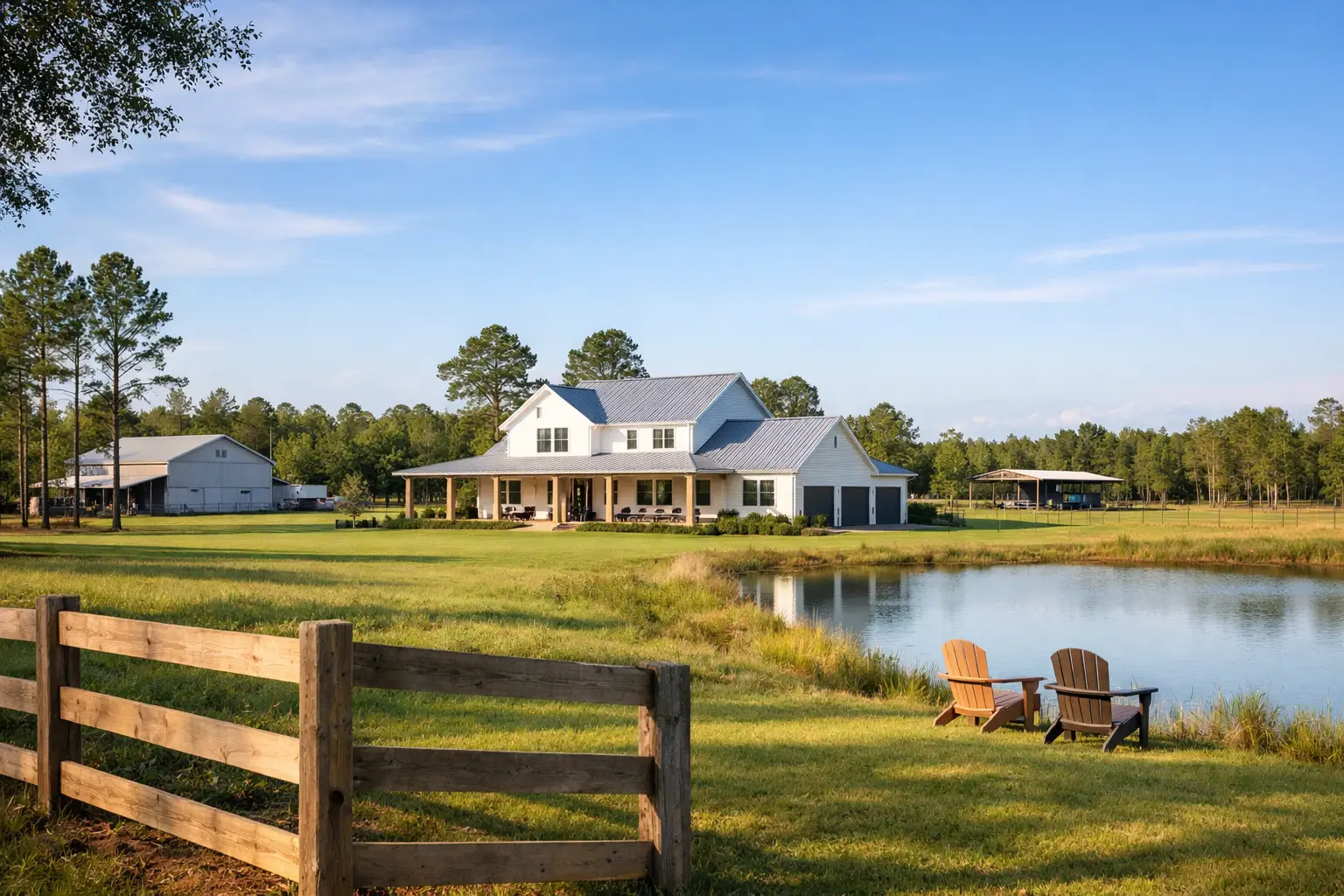
Youngstown FL homes appeal to buyers who want more room around them without stepping too far away from Panama City, Tyndall Air Force Base, or the Bay County amenities they use every week. This is not a cookie-cutter neighborhood market. A home here may come with acreage, a workshop, mature trees, a private well, or a quiet road that feels far removed from the coast. Those advantages can be meaningful, but they also call for a more careful buying process.
For military families planning a PCS move, first-time buyers looking beyond higher-density areas, and locals who simply want a different pace, Youngstown can be a practical option. The right property depends less on a single square-foot price and more on how the land, utilities, commute, insurance, and condition of the home fit your everyday life.
Why Buyers Consider Youngstown FL Homes
Youngstown sits in the northeastern part of Bay County, generally along the U.S. 231 corridor. Its inland setting gives buyers a different housing experience from Panama City Beach, central Panama City, or newer suburban developments. Many properties offer larger lots, and the surrounding landscape can feel more rural and private.
That space is often the draw. Buyers may want room for boats, trailers, recreational equipment, gardens, pets, or a detached garage. Some are looking for a property where neighbors are not immediately outside the window. Others want to be close enough to services and employment centers while keeping a quieter home base.
The trade-off is that convenience looks different here. A grocery run, school drop-off, medical appointment, or dinner out may require more driving than it would in a central Panama City neighborhood. Buyers should think through their real weekly routine, not just the drive they make during a showing. If a home is being considered for a Tyndall assignment, test the route at a time that resembles your expected commute and account for gate access, shift schedules, and traffic patterns.
What the Housing Mix Can Look Like
Youngstown does not have one standard property type. You may see established single-family homes, manufactured homes, homes on several acres, vacant parcels, and properties with outbuildings or additional structures. That variety gives buyers choices, but it also means two homes with similar asking prices can have very different costs and risks.
A home on a conventional neighborhood lot may have public utilities and a relatively straightforward inspection profile. A home on acreage may have septic, a private well, long private drive access, fencing, drainage features, or structures that need separate review. None of those features automatically make a property better or worse. They simply require the buyer to understand what comes with ownership.
For example, a workshop can be a major value for someone who needs storage or a place to work. It may be less useful if it was built without permits, has electrical concerns, or does not meet the buyer’s intended use. Likewise, a large parcel may be ideal for privacy, but wetlands, easements, flood considerations, and zoning rules can limit where a future owner can build, clear, or add improvements.
Existing Homes Versus Land
An existing home gives buyers a clearer picture of the immediate condition, layout, and utility setup, although inspections still matter. Vacant land offers flexibility, but it introduces a longer list of questions: legal access, survey boundaries, soil suitability, utility availability, impact costs, drainage, and whether the desired home can actually be placed or built on the parcel.
Buyers considering land should avoid assuming that nearby power lines or neighboring homes mean a site is ready to build. Confirm the details before making decisions based on a future plan. The same advice applies to manufactured homes, accessory structures, and RV storage. Local requirements can vary by parcel and intended use.
Due Diligence Matters More on Rural Properties
A well-written offer should give you time to investigate the property, especially when the home relies on systems that are not immediately visible. A general home inspection is a strong starting point, but rural and semi-rural properties often call for specialized evaluations.
Pay close attention to the roof, HVAC system, electrical panel, plumbing, and signs of water intrusion. Then look beyond the house itself. Ask about the age and maintenance history of the septic system, test the well water when applicable, and understand who is responsible for any private road or shared driveway. If a property includes a pond, dock, barn, or detached structure, have each meaningful improvement evaluated for its condition and intended use.
Flood zones and insurance deserve early attention as well. Inland does not always mean free from flood exposure. A property can have drainage issues, nearby water features, or insurance requirements that affect the monthly payment. Request insurance quotes early rather than waiting until the final days before closing. This is especially important when comparing homes that seem similarly priced but carry very different insurance costs.
A survey can also be valuable when acreage, fences, driveways, or boundary questions are part of the purchase. Do not rely on an old fence line to establish ownership. A current survey and a review of recorded easements can prevent surprises after closing.
Financing for a Youngstown Purchase
Financing options depend on the property as much as the borrower. Conventional, FHA, USDA, and VA loans may all be worth discussing with a qualified local lender, but each has property-condition and appraisal considerations. A lender can help buyers compare the cash-to-close and monthly-payment differences before they narrow their search.
For eligible service members and veterans, VA financing can be an excellent option. It is not a shortcut around property condition, however. A VA appraisal looks at minimum property requirements, and issues involving peeling paint, unsafe electrical conditions, roof life, access, or missing utilities can affect the loan timeline. A well-maintained property can move smoothly, while a fixer-upper may require a more strategic plan.
Buyers should also be realistic about improvements after closing. If a home needs flooring, paint, fencing, or a new appliance, those may be manageable projects. If it needs a roof, septic repair, major electrical work, or structural correction, the purchase strategy should reflect the true scope and cost. The best deal is not always the lowest list price.
A Better Way to Compare Youngstown FL Homes
When homes have different lot sizes and utility systems, comparing them only by bedrooms, bathrooms, and price per square foot can lead to a weak decision. Build a comparison around the expenses and lifestyle factors that will remain after closing.
Start with the commute to your actual destinations, then compare insurance estimates, property taxes, utility type, road access, maintenance needs, and the condition of major systems. Consider whether the acreage is usable for your plans or simply additional land to maintain. Think about internet availability too, particularly for remote work, online school needs, or households with multiple connected devices.
If you are relocating from another state, a video tour can help with the initial search, but it should not replace thorough due diligence. Ask for views of the road approach, neighboring properties, outdoor structures, mechanical equipment, and the areas around the home. A property can photograph beautifully while still presenting access, drainage, or maintenance issues that need closer review.
Selling a Home in Youngstown
Sellers benefit from positioning the property around its actual strengths. If the home has acreage, usable storage, updated systems, a well-kept workshop, or an attractive commute route, those details should be documented and presented clearly. Buyers want to know what they are getting, particularly when a property is outside a conventional subdivision.
Before listing, address obvious deferred maintenance and gather records for major improvements, septic service, well work, surveys, permits, and utility information. Good preparation reduces uncertainty during showings and inspections. Pricing should reflect the specific property, not just a broad county average, because lot utility, condition, location, and improvements can change value substantially.
Bradley Barnes Real Estate helps buyers and sellers sort through these property-specific questions with local guidance, responsive communication, and a plan built around the client’s timeline.
Youngstown can be a smart place to look when you want space, flexibility, and a quieter Bay County setting. The strongest purchase is one where the home, land, financing, and daily drive all work together long after the closing table is cleared.